Electric Mini Dumper Buying Guide: What to Check Before You Import
2026-10-15 · 3 min read
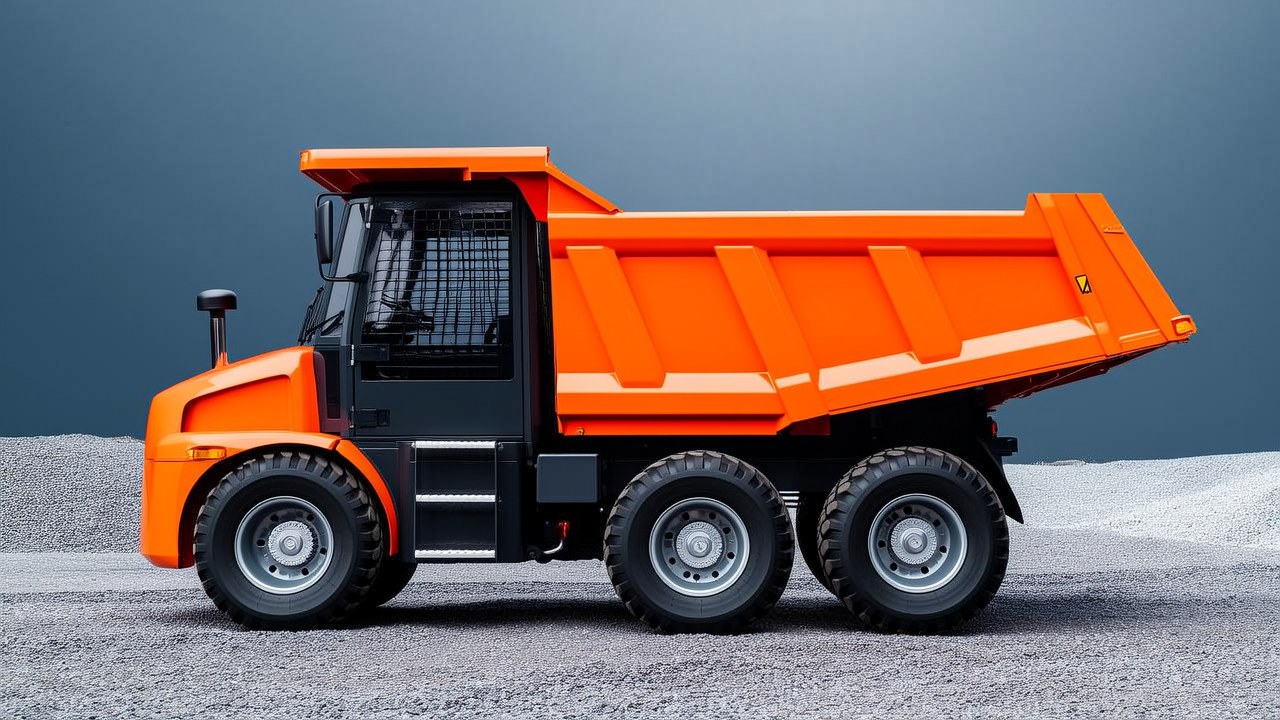
An electric mini dumper is a simple machine: a steel hopper, a battery, a brushless motor and a chassis. That simplicity is exactly why they are easy to buy badly. Two units that look identical in a photograph can differ by 400 kg of rated load and by three years of service life. This guide covers the five numbers that matter.
1. Rated load — and how it is measured
A 1,000 kg rating is only meaningful if you know what it includes. Ask whether the figure is the payload in the hopper, or the total including the operator standing on the platform. On a stand-on machine a 90 kg operator is 9% of a 1,000 kg rating. Ask whether the rating assumes level concrete or a 10% gradient. Most honest ratings assume a hard, level surface; on a building site you should de-rate by 15–25%.
Our own specification sheets print a range — typically 500–1,000 kg for a walk-behind powered barrow — rather than a single figure, because the answer genuinely depends on your ground.
2. Steel thickness of the hopper
This is where cheap machines fail first. Hoppers are offered in 2.0, 2.5 and 3.0 mm plate. A 2.0 mm hopper carrying wet sand and rubble will dent and eventually crack at the weld seams. The cost difference between 2.0 mm and 3.0 mm at the factory is small; the difference in service life is not.
If you are moving aggregate, demolition rubble or wet concrete, specify 3.0 mm and accept the extra weight. If you are moving feed, soil or packaged goods, 2.0–2.5 mm is a reasonable saving.
3. Motor: brushed or brushless
Brushless motors cost more and last considerably longer. For daily commercial use, brushless is the correct choice — the brushes in a brushed motor are a wear item, and replacing them means opening the motor. For occasional farm use, a brushed motor is acceptable. Our supplied units are brushless from 1,000 W upward.
4. Battery chemistry
The default is 48 V 20 Ah lead-acid, which is cheap, heavy and needs replacing after roughly two years of hard use. Lithium iron phosphate (LiFePO4) costs 30–50% more upfront and typically lasts three times as long, weighs about a third as much, and does not lose capacity as badly in cold weather.
If you are renting these machines out, or running them daily, lithium pays for itself. If they are used a few times a week, lead-acid is fine. Be sceptical of claimed run times: a 24 V system advertised at five hours of work is often closer to two to three in practice.
5. Dimensions against your narrowest gap
Measure the narrowest door, lift opening, gate or aisle on site before you choose a machine. A typical unit is around 1,200 × 680 × 990 mm, but variants run out to 1,360 × 700 × 930 mm. A machine that cannot enter the building is useless however good its specification.
Also check the turning circle. Most of these machines steer 360° in place, which is why they work in corridors and greenhouses where a vehicle cannot.
The checklist
- Rated load, and whether it includes the operator
- Ground conditions the rating assumes, and your de-rating
- Hopper steel thickness — 3.0 mm for rubble
- Brushless motor for daily commercial use
- Battery chemistry matched to duty cycle
- Overall dimensions against your narrowest access point
- Spare parts availability before you order, not after
One more thing: who is answering your questions
A factory can only sell you what it makes. If the machine you are being offered does not suit your site, an independent export office can say so and propose something else. That is worth more than a small discount on the wrong unit.