How Many Mini Dumpers Fit in a 40ft Container — and Why It Decides Your Price
2026-10-06 · 1 min de leitura
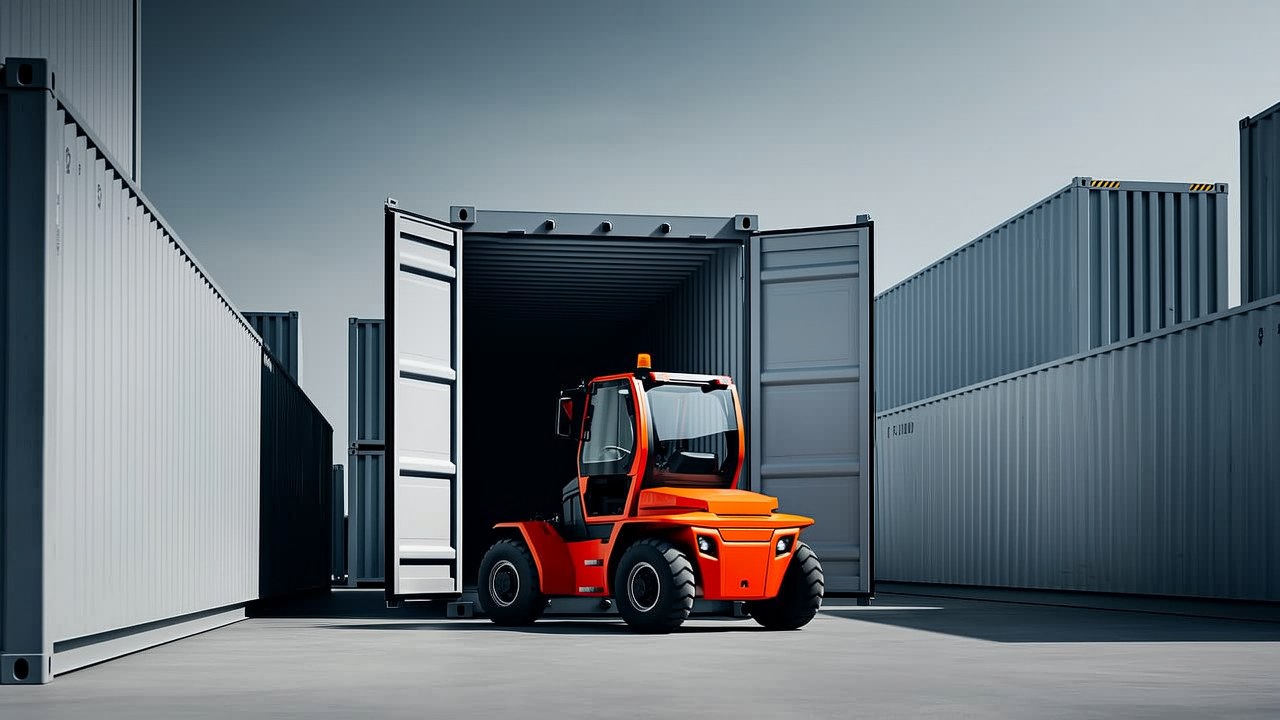
Buyers comparing quotations often focus on the factory price and ignore the line that actually moves the total: freight. For bulky, heavy machines like electric dumpers and cargo tricycles, ocean freight and inland handling commonly represent 20–40% of the landed cost. A 5% price advantage on the machine is easily erased by a 20% disadvantage on loading.
The volume problem
These machines are roughly a metre wide, two metres long and a metre tall, and they cannot be stacked or crushed. That means you are shipping air. Depending on the model and how the beds are nested, a 40 ft high-cube container takes somewhere between 20 and 30 cargo tricycles, and a smaller number of stand-on dumpers. Your supplier should be able to tell you the exact loading count for the specific model — ask for it in writing.
Work out cost per unit at the quotation stage
Take the total container freight from the loading port to your destination port, add inland trucking at both ends and terminal charges, then divide by the number of units. That is your real freight per machine. Do this before you negotiate on price, because it tells you whether it is worth pushing for a larger first order.
Batteries change the calculation
Batteries are regulated dangerous goods. Lead-acid is UN2794 and lithium is UN3480 or UN3481. Consequences you should plan for:
- Not every ship or port accepts them — routing options narrow, and rates rise
- Documentation is more involved, and errors cause delays or refusal
- Some suppliers ship machines without batteries and source them locally — worth asking about, but only if you have a reliable local supply of the correct pack
Practical ways to reduce freight per unit
- Nest or partially dismantle where the design allows — always confirm reassembly is simple
- Order to fill a container rather than a round number of units
- Compare a slightly higher-volume model against two lower-volume ones
- Check whether a nearer loading port has a worse sailing schedule — sometimes the further port is cheaper overall
Insist on evidence
Before the container is sealed, ask for photographs of the actual loading. It tells you whether the machine was packed as promised, whether accessories are secured, and whether the count matches the invoice. A packing list and a loading photograph are the cheapest insurance in the transaction.